Despite increasing hostility toward LGBTQ+ rights from politicians like Trump and Farage, companies are still proudly rolling out their pride campaigns in 2025.
Reform UK, ran by Nigel Farage, have pledged to cut £7 billion by slashing DEI jobs and programmes. These represent diversity, equality and inclusion schemes, designed to reduce workplace discrimination, creating a more welcoming and representative space. This sends a clear message: inclusion is now a budget line to be axed, not a moral commitment to uphold.
But Pride is still one of the most important events of the year, it gives everyone an opportunity to celebrate and stand alongside LGBTQ+ communities.
However, Pride 2025 feels distinctly different to previous years, LGBTQ+ communities have felt anything but safe this year. With the attack on trans rights and a number of companies are turning their back on Pride this year.
Almost every year, companies release a range of Pride Month merchandise, with a percentage of the proceeds being donated to an LGBTQ+ charity. While this continues this year, the gap between symbolic support and profiteering has never been clearer.
These merchandise collections are often predominantly pride flags, and other rainbow coloured trinkets. Pride Month has become an excuse for businesses to engage in “pink-washing”, selling rainbow decorated merchandise and claiming affinity with oppressed groups — without engaging in practices that ensure equity and a sense of belonging for LGBTQ+ people in their organisations or supply chains.
Flying Tiger Copenhagen is often the worst of these pride collections, full of low-quality, and somewhat tacky products with rainbows on them. This year they have gone so far as to repackage their crisps and popping candy to make it ‘Pride’ themed.
These companies often lack the empathy, passion, and integrity to bring about meaningful and impacting change within our society. Often perceiving Pride Month as nothing more than a mere annual marketing scheme to gain profit, for which the only drawback being a small donation to various charities in exchange for their allyship status.
Alongside this, commercial companies seem to add a rainbow into their logo’s posted on social media for the month of Pride. This is supposed to reflect their support, but in 2025 changing a logo is simply not enough.
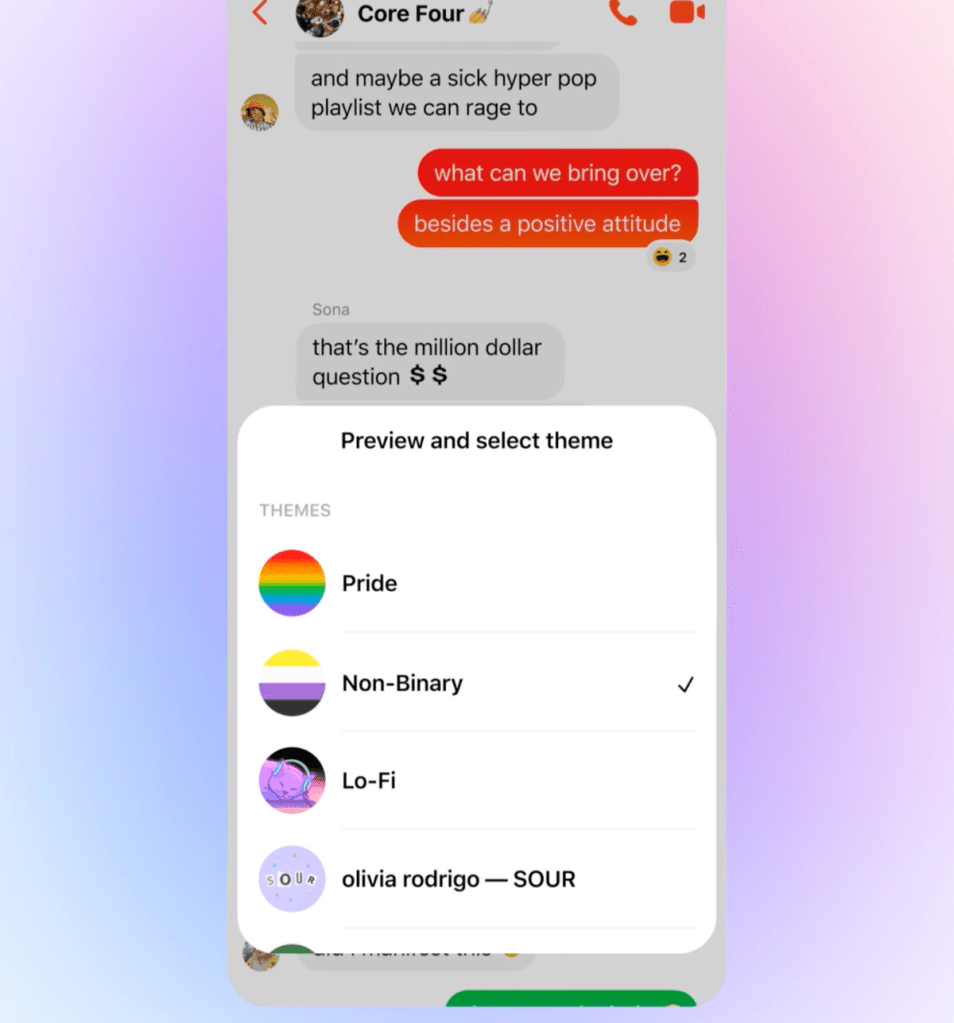
One of the biggest contradictions this year comes from Meta, the tech giant that covers Facebook, Threads, and Instagram. In January, the company quietly removed all pride-themed features on Facebook Messenger, just days after the changes to hate speech rules on their community standards policy to allow LGBTQ+ people to be described as ‘mentally ill’ across their platforms.
A member of Meta’s policy team is said to have responded by saying that its “core values have not changed”, adding:
“The changes to our hateful conduct policy seek to undo the mission creep that has made our rules too restrictive and too prone to over-enforcement.”
These themes were launched in 2021, and 2022 as part of their celebration of Pride Month, and were kept until now.
“Messenger is committed to building the safest private messaging experience, that gives the growing LGBTQ+ community and its allies a trusted space to open up with confidence,”
A spokesperson said while announcing the non-binary theme in 2022.
This company, once launching completely free features to influence ‘safety and inclusivity’ are now enabling hate speech under a guise of ‘free expression.’ A devastating, but real case of corporate backpedalling in a hostile political climate, often to avoid losing shareholders, or app users.
But what does meaningful corporate allyship look like in 2025?
We know that changing logos and tacky merchandise is not enough, companies need to be focusing on their internal DEI efforts, employee protections, and transparent donations — all year-round, not just June.
If companies insist on a Pride Month merchandise line, they should work with queer artists, designers and employees to curate a good line of high-quality products, incorporating more than just Pride flags.
Pride Month 2025 exposes a stark divide: brands that stand with LGBTQ+ communities, and those that do not.
In a year where rights are being revoked to win votes between political parties, and allyship is being swapped out to save stakeholder relationship, corporate support cannot just be an aesthetic, it needs to be backed up by actions.
 Influence, Inc.
Leave a comment